Agro Food Summit 2026: Weaponised Waterways and El Nino Test Global Pulses Resilience
25 September, 2026
Admin
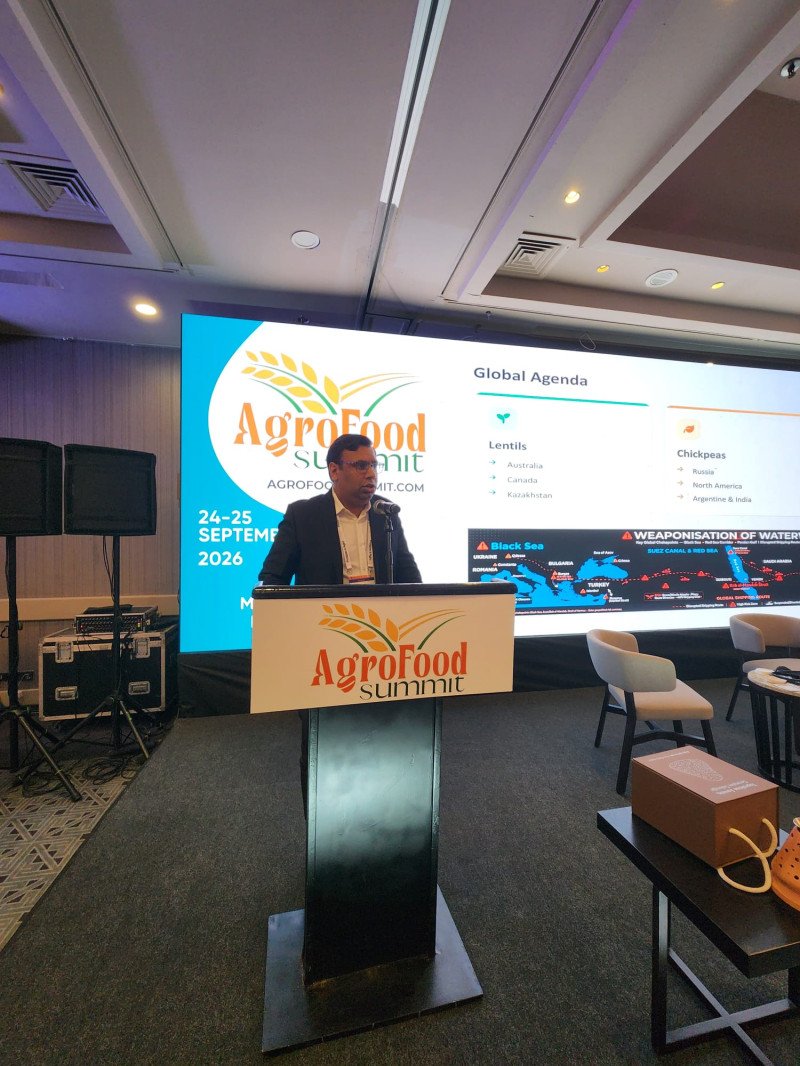
Mersin, Turkey – At the Agro Food Summit 2026, Gaurav Jain of AgPulse Pte Ltd, Singapore, delivered a sharp analysis of the mounting pressures on global pulses markets, highlighting how climatic volatility and geopolitical disruptions are reshaping trade flows for lentils, chickpeas and peas.
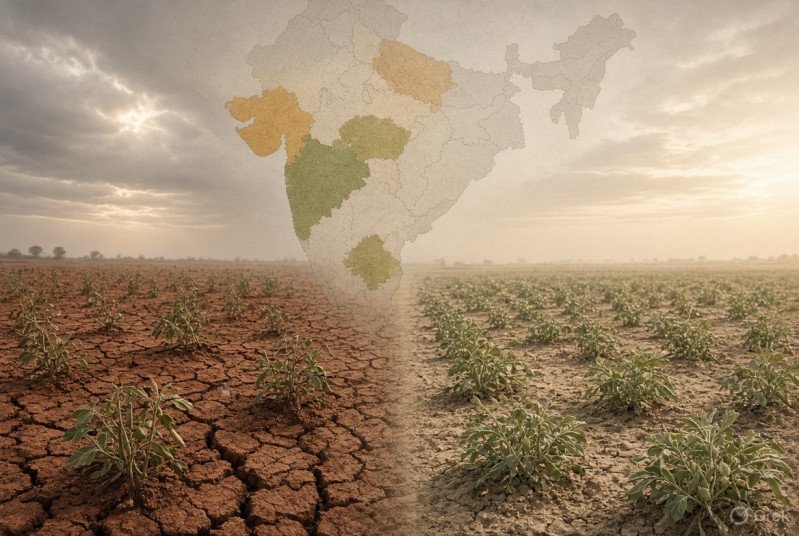
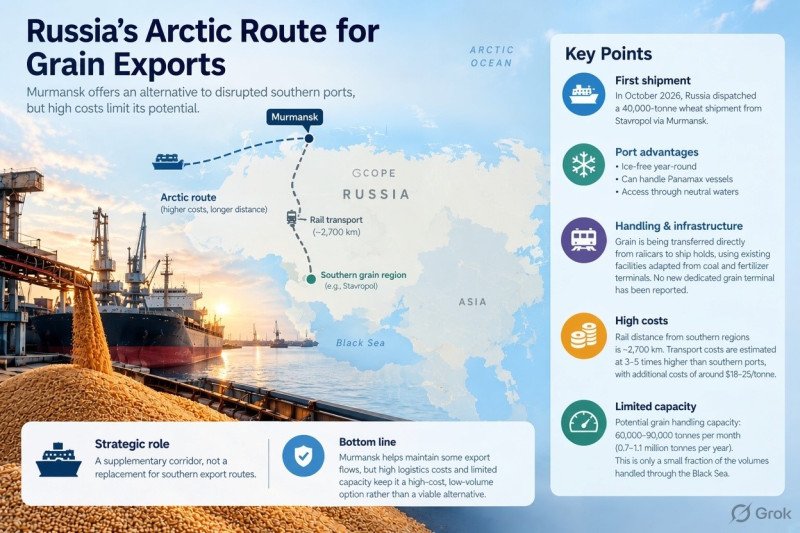
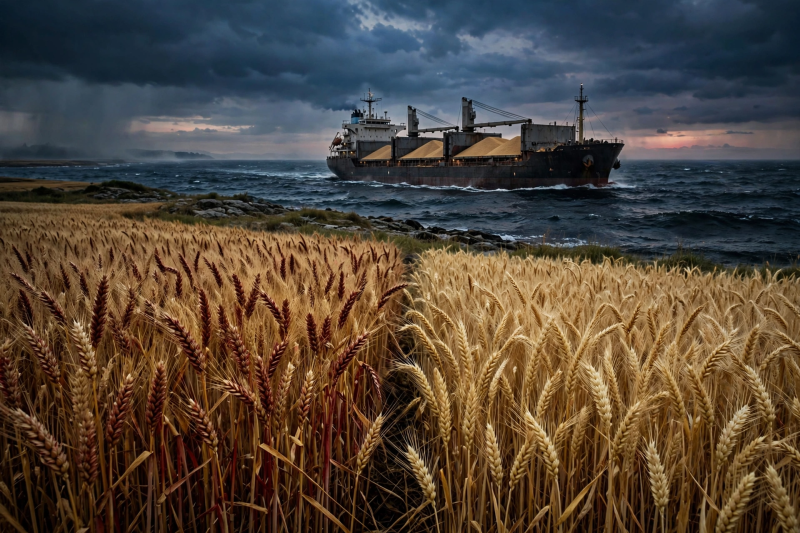
Jain framed the 2026/27 marketing year as a period of dual stress: El Niño-related weather risks and the “weaponisation” of critical waterways. Restricted zones in the Black Sea, along with elevated risks around the Suez Canal, Bab al-Mandab Strait and Strait of Hormuz, are diverting vessels, inflating freight costs and creating persistent logistical bottlenecks.
On lentils, Jain noted a fifth consecutive year of global oversupply, with production reaching 9.5 million metric tonnes. Canada and Australia face heavy carry-out stocks (projected at 1.62 MMT and 1.02 MMT respectively), while Kazakhstan has emerged as a fast-growing “third axis,” with production near 655,000 tonnes and exports of around 0.6 MMT largely directed to Türkiye.
Chickpeas present a more fragmented picture. Aggregate supply slightly exceeds demand, yet a 1.3 MMT desi chickpea deficit—exacerbated by a smaller Australian crop—continues to pressure Indian balances, with yellow peas and kabuli varieties expected to fill part of the gap. Russia has sharply reduced production but maintains solid export targets, while North American exporters struggle to find new outlets amid rising stocks.
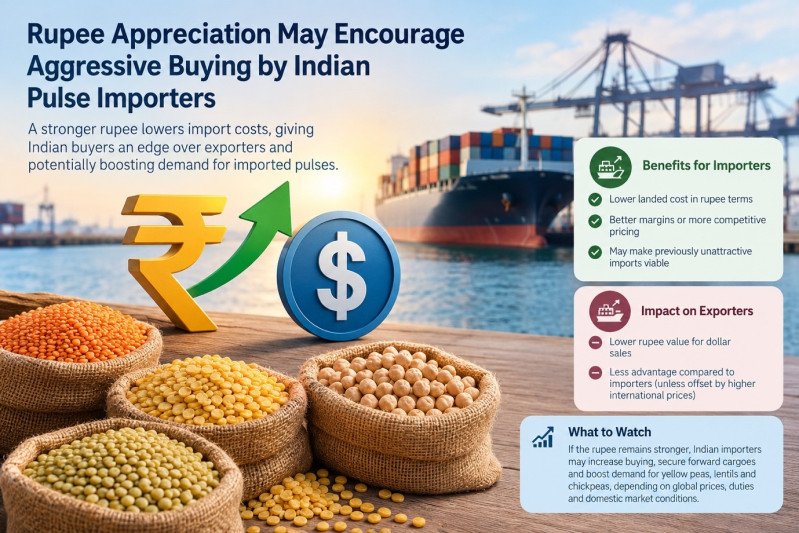
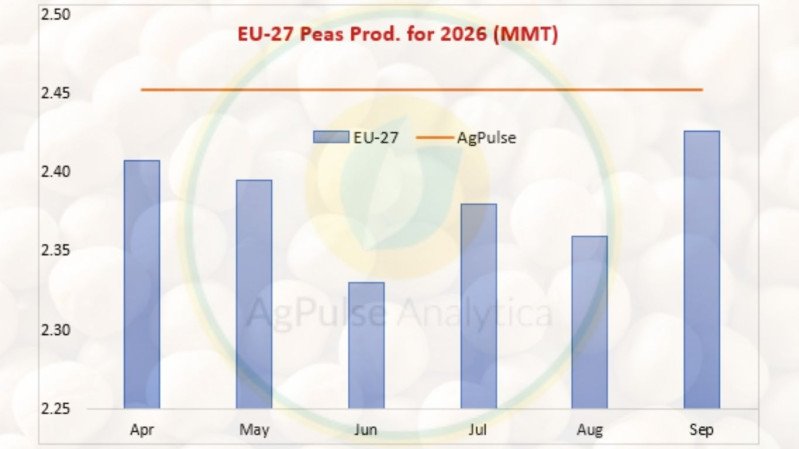
The pea market sits in a fragile equilibrium. Russian and Ukrainian supply remains critical, the EU-27 has reduced import dependence, and India stands as the key swing factor. With import windows open into early 2027, any shortfall in India’s domestic rabi crop could trigger demand of up to 3 MMT and rapidly redirect global flows.
Jain closed by stressing that while the pulses sector has shown resilience, navigating the remainder of the decade will demand agility, precise macro-intelligence and the readiness to pivot as regional balances and shipping risks continue to shift.
Subscribe to Supporting Agribusiness Leaders Find Market Insights for Smart Growth

Global Intelligence for Pulses, Grains & Oilseeds
Empowering informed decisions across the agricultural value chain with timely market insights, forecasting models, and trade analysis.
Follow Us