The Global Wheat Call Option Got Bigger
25 August, 2026
Admin
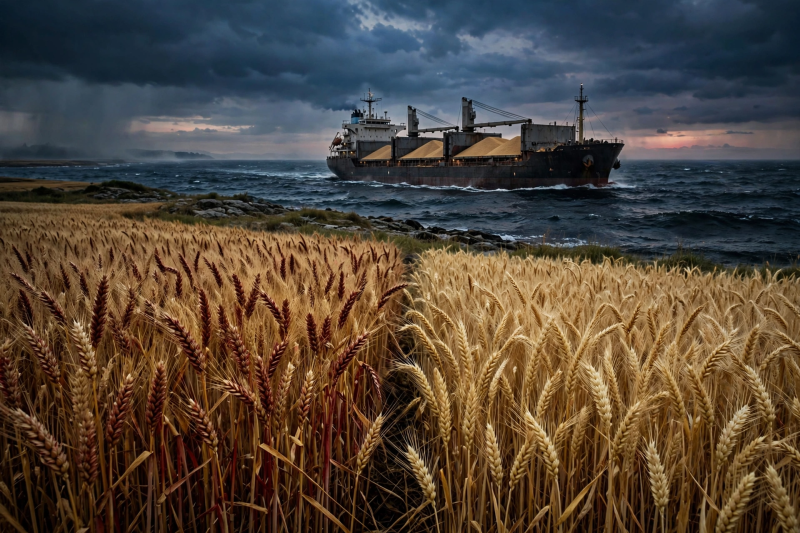
With wheat shipments from global heavyweights Russia and Ukraine severely bottlenecked, the international grain trade is anxiously searching for a safety net. Enter India: the world’s massive, albeit highly unpredictable, wheat wildcard.
Ordinarily, India sits comfortably on the sidelines of global agricultural exchanges. Despite being a colossal producer, it traditionally keeps its harvests close to home to feed its vast population. But occasionally, India transforms into the market’s ultimate global call option. It is a fallback plan that comes with a notoriously fickle reputation, as New Delhi has a history of upending international supply-and-demand equations at a moment's notice.
You only have to look back to the spring of 2022 for a perfect example. When the conflict in Black Sea first sent shockwaves through food markets, India swooped in to fill the void, offering up massive exports at prices significantly lower than the panicked international average. Relief washed over the global trade—until May, when the government abruptly slammed its export gates shut to protect its own domestic reserves. Whispers quickly rippled through the market that India had overplayed its hand and might even be forced to import wheat for the next two seasons. Ultimately, the country scraped by on razor-thin inventories, but the sudden whiplash left international buyers dizzy and cautious.
Now, the tide has turned once more. The Indian government has reopened the gates, green-lighting exports of wheat and wheat-based products without volume caps. The global trade is already crunching the numbers, eagerly factoring Indian grain back into their logistical pipelines the moment it hits price parity with the rest of the world.
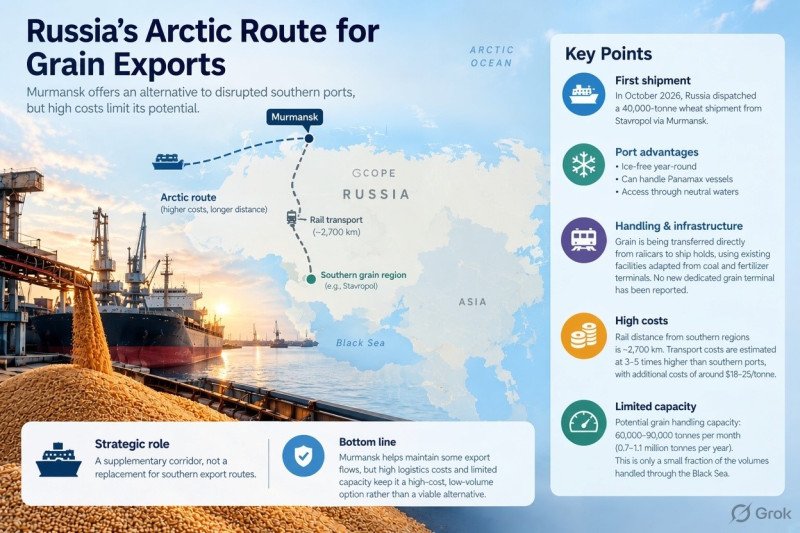
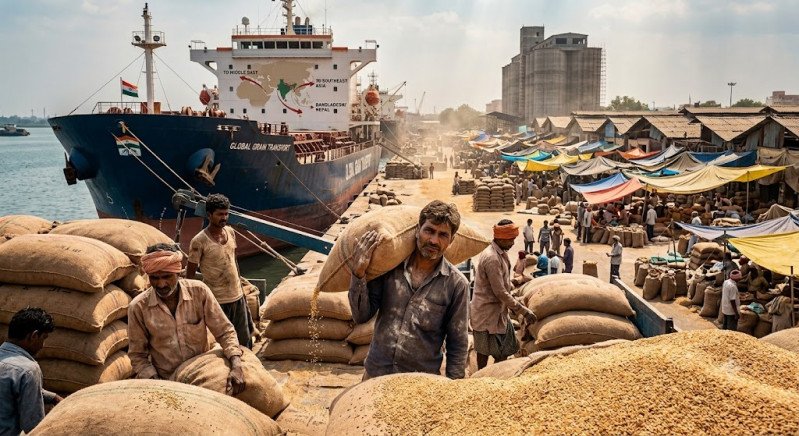
We are already seeing this safety net actively deployed in neighbouring Bangladesh and Nepal. But the story won't end at the local borders. With grain vessels creeping at a painfully slow pace through the Bosphorus Strait, buyers further afield are getting restless. As logistical hurdles mount elsewhere, it is highly likely that Indian wheat will soon find eager takers across the Middle East and Southeast Asia, stepping up once again when the world's traditional breadbaskets are out of reach.
Complete the contact form below and one of our dedicated Business Consultants will be in touch shortly.

Global Intelligence for Pulses, Grains & Oilseeds
Empowering informed decisions across the agricultural value chain with timely market insights, forecasting models, and trade analysis.
Follow Us