A renewed challenge to Wheat logistics
17 July, 2026
Admin
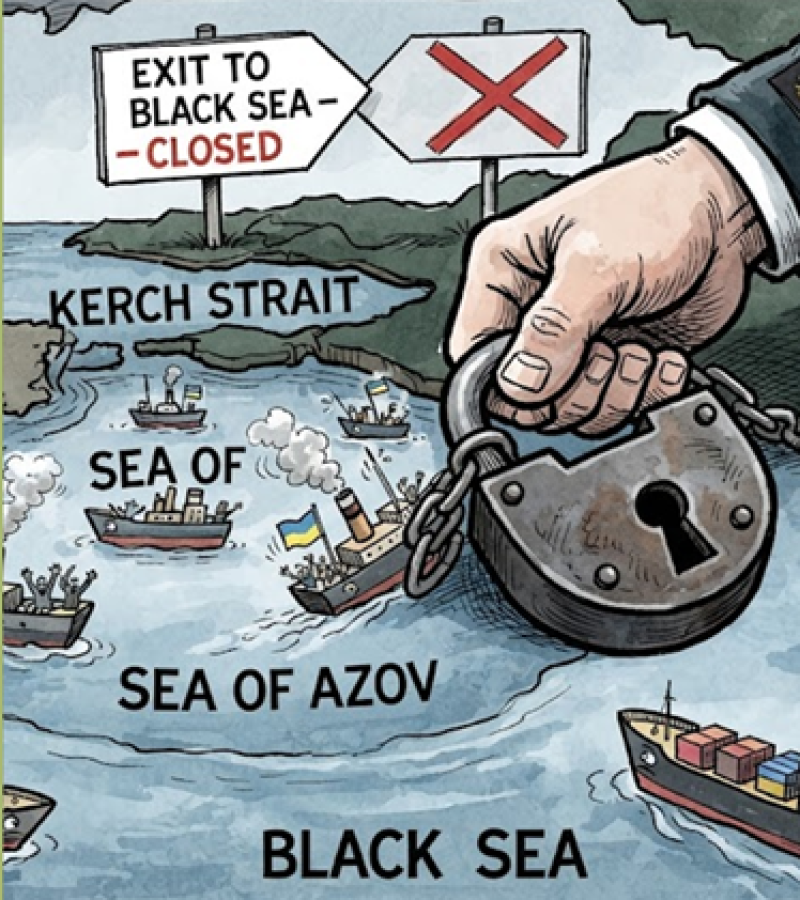
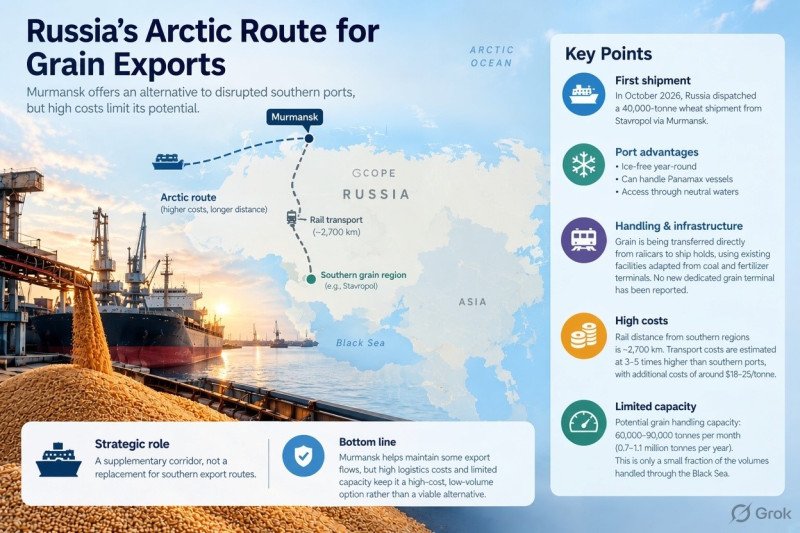
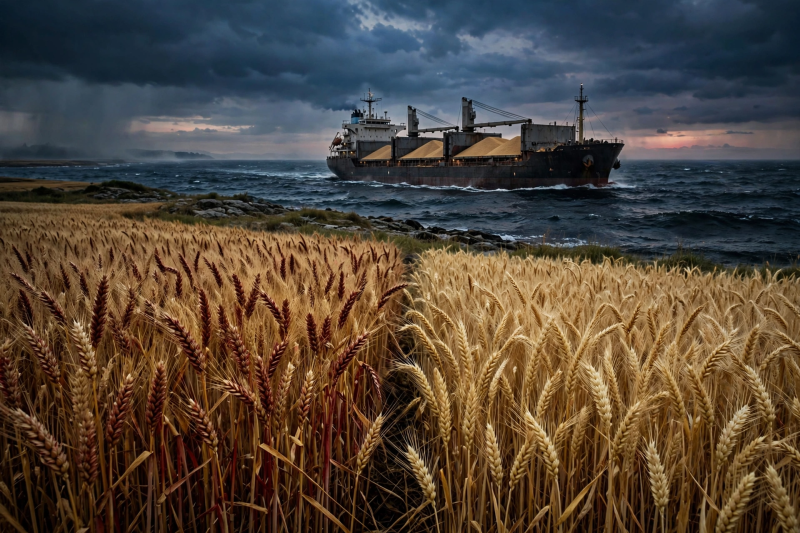
The attacks on logistics infrastructure across Sea of Azov and Black Sea has paralyzed the shipping in the region. At the peak harvest time, Russia will face enormous challenge to move its cargo solely from the Black Sea ports, while Ukrainian shipments will also face severe challenges to load from Odessa and other Black Sea ports.
Nearly a quarter of Russian grain moved through the sea links, which are now closed and the closure, if prolonged, will make the Black Sea ports rationalize shipments. The berths are already booked for weeks in advance and shipping additional grain from Black Sea ports will be difficult. Russian shipment pace for grains will be short by more than a million tonnes per month, if Sea of Azov remains closed.
Ukrainian flow out of the Black Sea route is also restricted and the volume this quarter will face a decline. The Ukrainian exporters will find it difficult to regain the shipment pace, even if the attacks slow down, as the damage to infrastructure will take many months to be rebuilt.
What it means for Wheat?
Wheat availability will be reduced for the current quarter, and the importing nations, which have relied on just-in-time shipments, are likely to push prices higher to get the grain for their populace.
Not just the cash prices, but shipping and insurance changes are also moving higher, lading to a sharply higher landed cost.
For origins, the impact is likely to be more pronounced in European markets, which are battling with their own smaller harvest. The derivatives are likely to move faster than cash, with funds flipping their shorts to longs.
Brace for increased volatility amid a bull run.
Complete the contact form below and one of our dedicated Business Consultants will be in touch shortly.

Global Intelligence for Pulses, Grains & Oilseeds
Empowering informed decisions across the agricultural value chain with timely market insights, forecasting models, and trade analysis.
Follow Us