Black Sea Logistics Disruption
10 September, 2026
admin
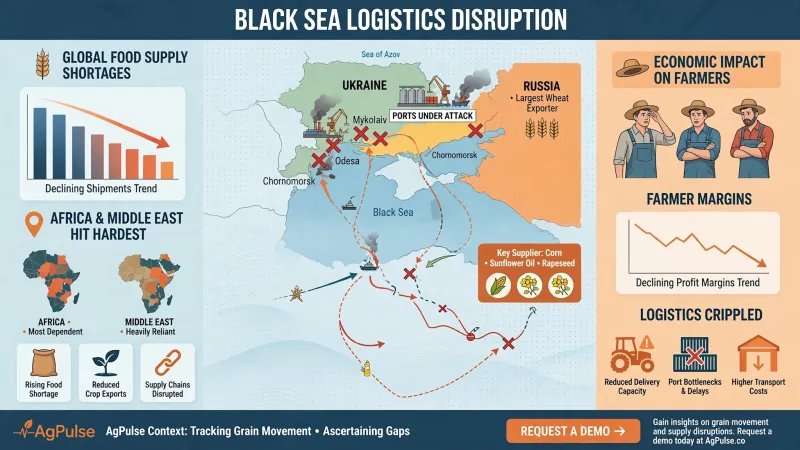
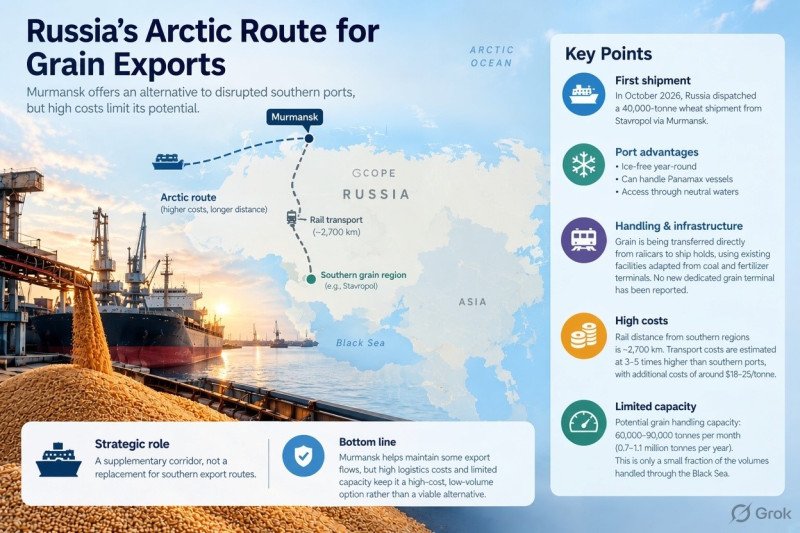
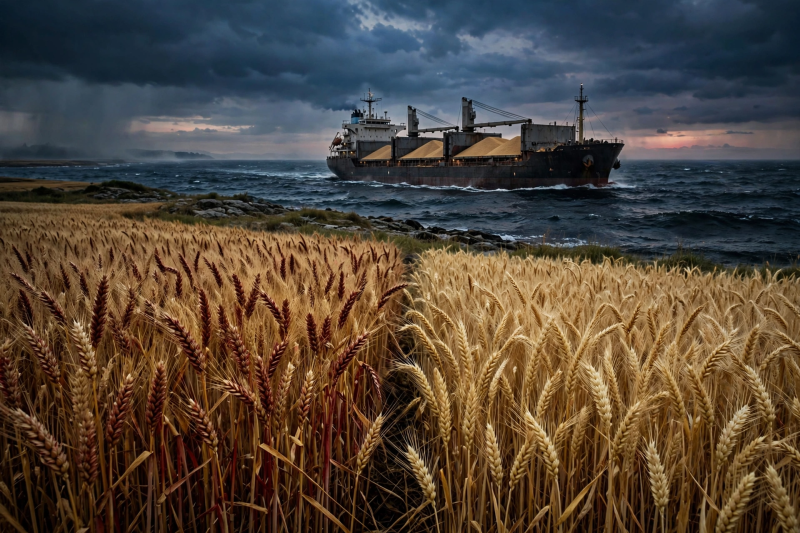
The war between Russia and Ukraine is taking an uglier turn. The attacks have grown from military targets to front lines to civilian infrastructure and now to logistics infrastructure. Both nations are agrarian countries, producing millions of tonnes of food for the rest of the world and employing millions of people at home. The destruction of port infrastructure in Black Sea and the Sea of Azov has crippled the shipment pace, and the economic impact is being felt by millions of farmers in the two countries.
The impact is also visible in the global food supply. While Russia holds the distinction of being the largest wheat exporter, Ukraine is a key supplier of corn, sunflower oil, and rapeseed, and the attacks on ports have cut a large chunk of these supplies to the rest of the world.
African and Middle Eastern countries are hit the hardest, with high dependence on food imports and a preference for Russia/Ukraine for their cost-effectiveness. The attacks have come in a year when European crops faced excessive heat, and yields tumbled to multi-year lows.
For now, expectations of a quick resolution are easing the markets, and we haven’t seen a rally like that in 2022. Harvest of domestic crops and higher inventory levels in many countries have also helped cushion the blow. But for how long?
The total grain shipments, from Russia and Ukraine, in the current quarter will be nearly half that of normal, and that is a gap, which will only be increasing in the coming months. While the lack of shipping is taking away margins from the local farmers, the rest of the world is facing a food inflation.
At AgPulse, we track the grain movement closely to ascertain the gaps and the probable ways to fill those. Request a demo of our services by filling the form.
Discover in real-time how our product can transform operations, enhance decision-making, and drive growth. Book your free demo today to see the difference for your business!

Global Intelligence for Pulses, Grains & Oilseeds
Empowering informed decisions across the agricultural value chain with timely market insights, forecasting models, and trade analysis.
Follow Us