Seven Risks Every Pulse Importer Should Monitor Every Morning
01 August, 2026
Admin
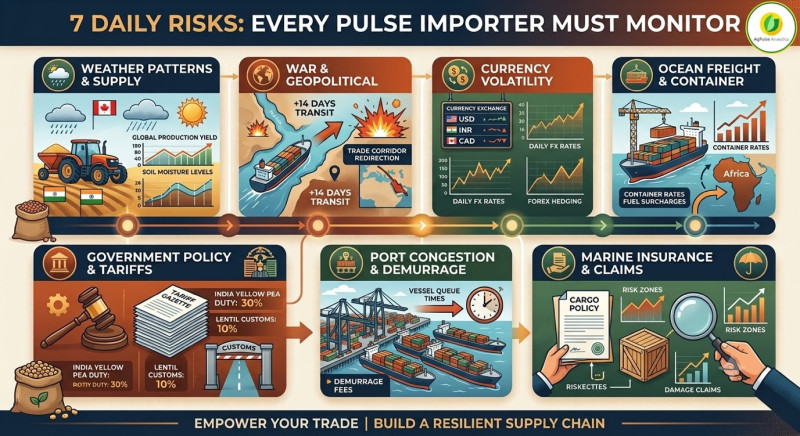
In international pulse trading, where gross margins often hover between 2% and 5%, market shifts don't wait for quarterly reviews. A sudden duty amendment or a weather report out of Saskatchewan can turn a profitable cargo into a balance-sheet loss before breakfast.
Here are the seven critical risk variables every pulse importer must audit at the start of each trading day, backed by current global market realities.
1. Weather Patterns & Agronomic Supply
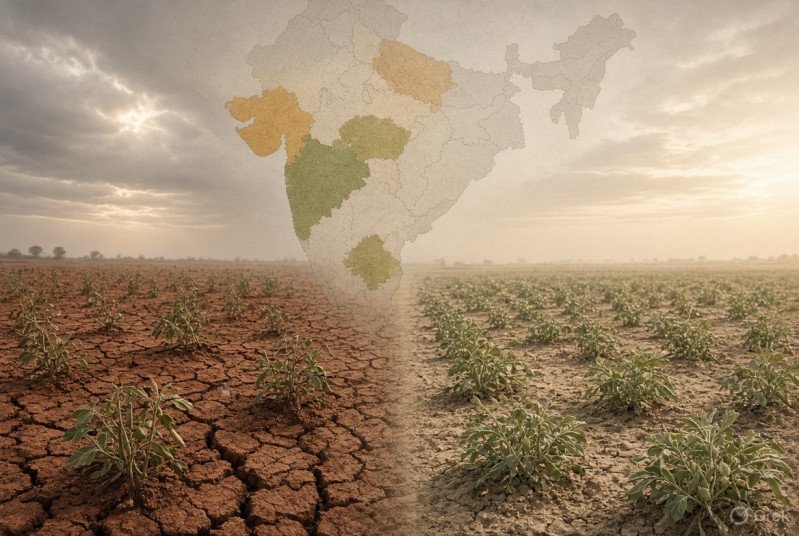
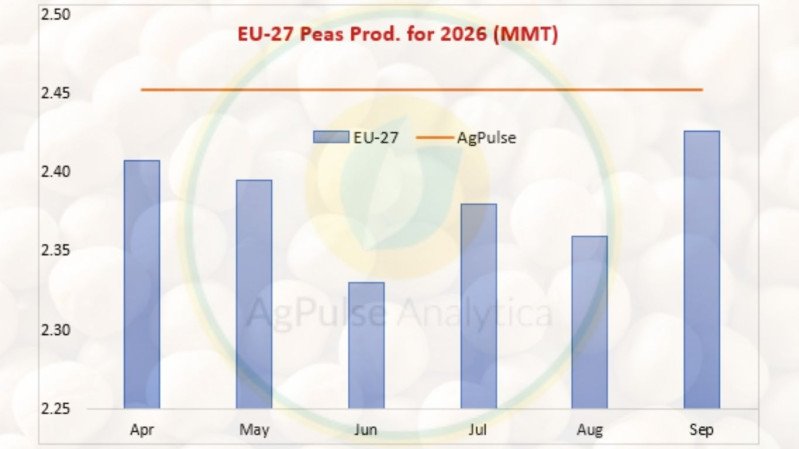
Production figures dictate base prices. Canada's 2025 pulse harvest hit a record 3.4 million tonnes of lentils (up 38% year-over-year) and 3.9 million tonnes of dry peas. However, heavy early-season rains in Western Canada coupled with drought in Montana created severe disease threats and acreage reductions in 2026.
2. Geopolitical Conflict & Maritime Corridors
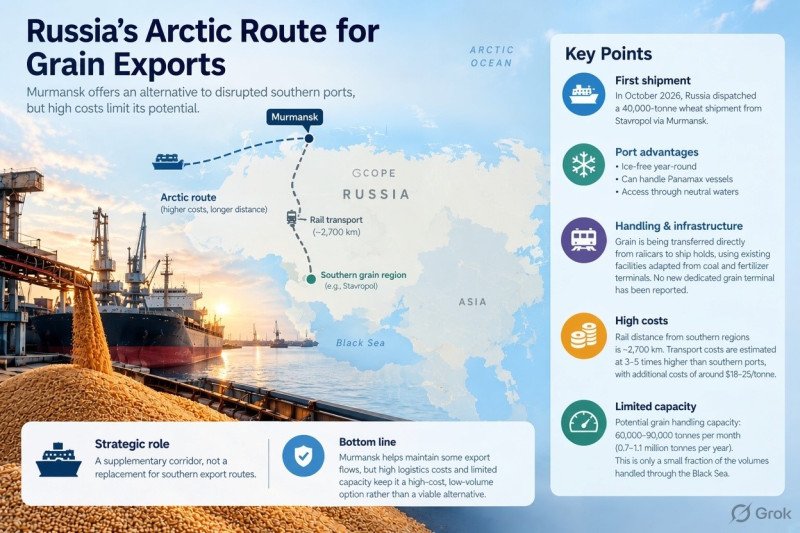
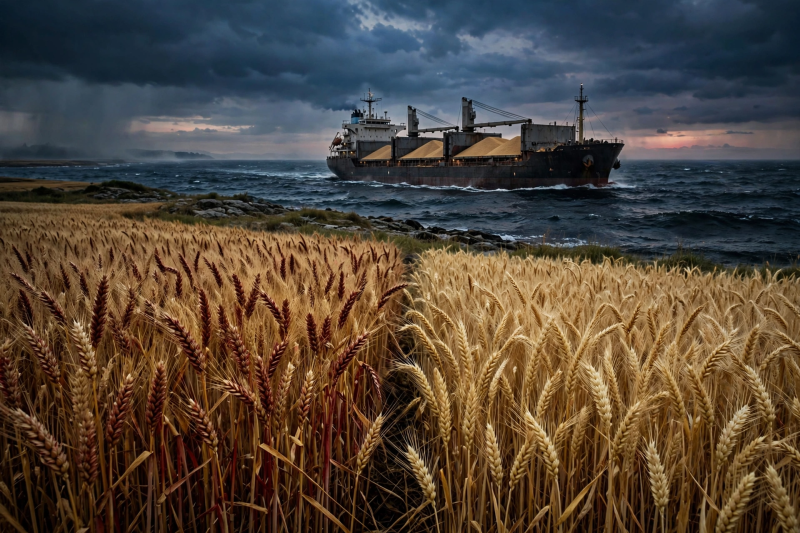
Navigational chokepoints directly impact landed costs. Ongoing security threats in the Bab el-Mandeb strait have forced major ocean carriers to route vessels around the Cape of Good Hope. This adds 10 to 14 days of transit time for pulse cargoes moving from the Black Sea or Mediterranean to South Asia, inflating operational costs per container.
3. Currency Volatility & Basis Risk
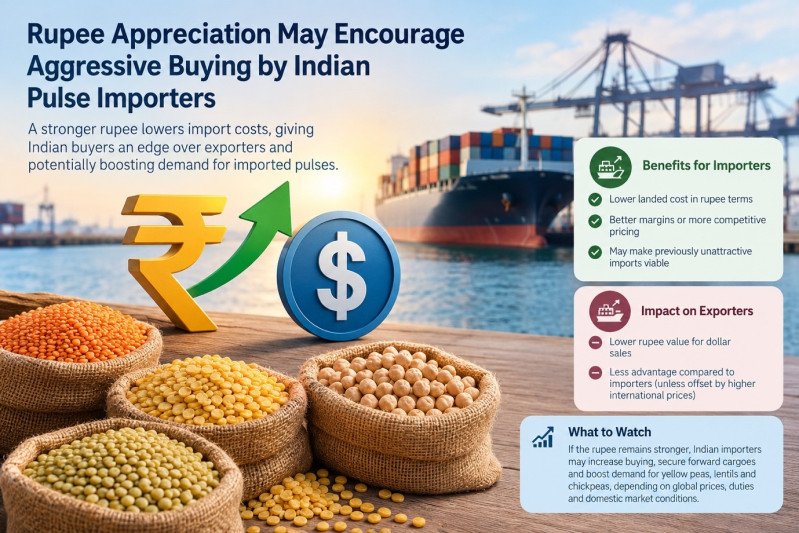
Because pulse contracts are priced in USD while domestic sales occur in local currencies (like INR, PKR, or EGP), exchange rate fluctuations directly erode margins. A 2% swing in the USD/INR or USD/CAD basis during a 30-day transit window can eliminate your net margin.
4. Ocean Freight Rates & Container Dynamics
The diversion around Africa created a global container capacity crunch, driving up spot freight rates across key lanes. Bunkering surcharges and vessel availability shift weekly, meaning containerized pulse trades (like chickpeas or green lentils) face distinct pricing pressures compared to bulk shipments.
5. Government Policy & Tariff Modifications
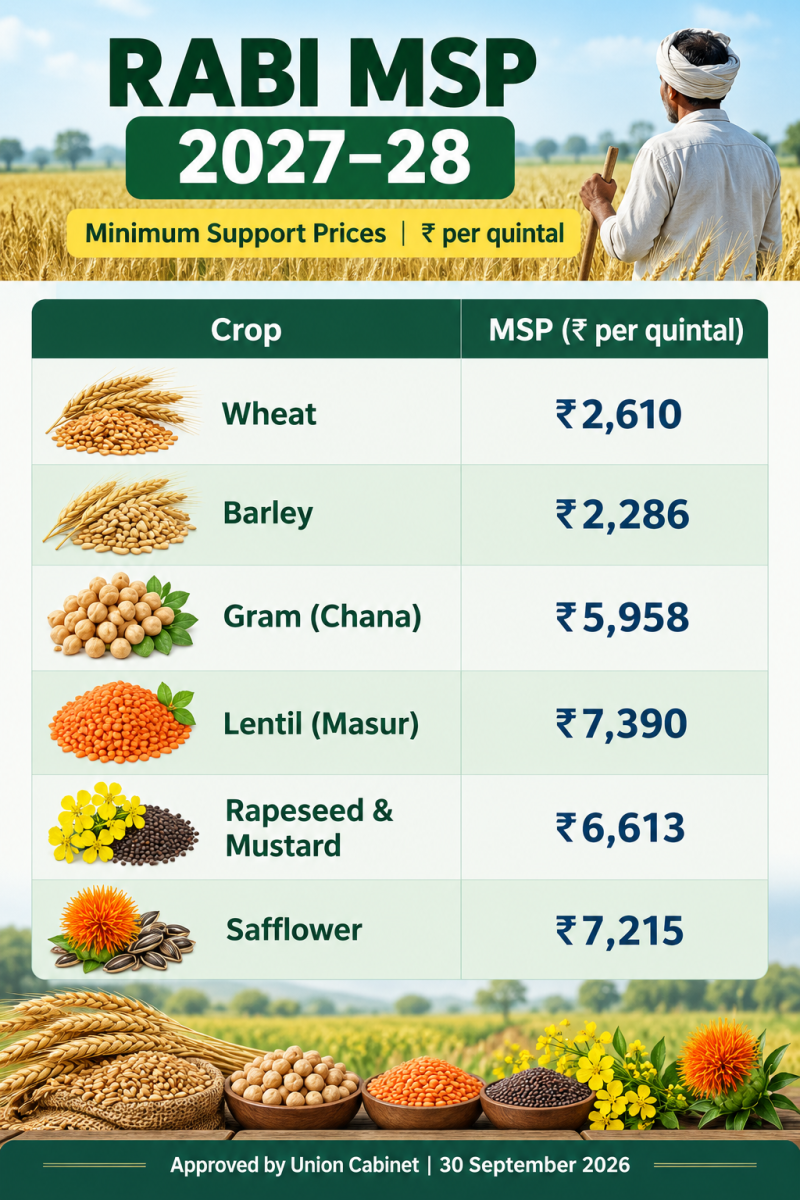
Trade policy can alter market liquidity instantly. India re-imposed a 30% total import duty on yellow peas, reversing its previous duty-free policy to support domestic harvest prices. Meanwhile, 10% customs duties apply to lentils and chickpeas in Indian markets.
6. Port Congestion & Demurrage Exposure
Extended transit times combined with seasonal import surges frequently lead to discharge delays at major hubs such as Nhava Sheva (Mumbai), Chittagong, or Karachi. A 5-day vessel queue can result in thousands of dollars in demurrage and detention fees, wiping out profit margins.
7. Marine Insurance & Claims Exposure
Longer sea voyages around Africa heighten the risk of cargo degradation—including moisture accumulation, mold, or insect infestation in green lentils and peas. Furthermore, transit through designated high-risk zones requires specialized War Risk Surcharges (WRS) and precise marine policy clauses.
Discover in real-time how our product can transform operations, enhance decision-making, and drive growth. Book your free demo today to see the difference for your business!

Global Intelligence for Pulses, Grains & Oilseeds
Empowering informed decisions across the agricultural value chain with timely market insights, forecasting models, and trade analysis.
Follow Us